
In the realm of probabilities there is a little shaded corner that is always the statistically least significant section of a data set; and yet we often pay more attention to these little shaded corners than to the rest of the data. We are fascinated with the unlikeliest of scenarios.
I call these things Imagineria because they entice the imagination into conceiving of something wonderful. The hope that a small piece of data, perhaps only a half dozen raw scores, will turn out to be something significant has powered many a business venture, many a wanderer’s dreams.
By looking at how other people organize and present their information we can learn about the most common practices and maybe the best practices. I needed someplace where I could look at this organization from any location. A Website made sense. So I want to document the Imagineria that I perceive in basic Websites.
Maybe someone will figure out a way to turn this into gold. It’s hard to see how that can be. But the beauty of Imagineria is that someone does finally see a dream that is worth pursuing.
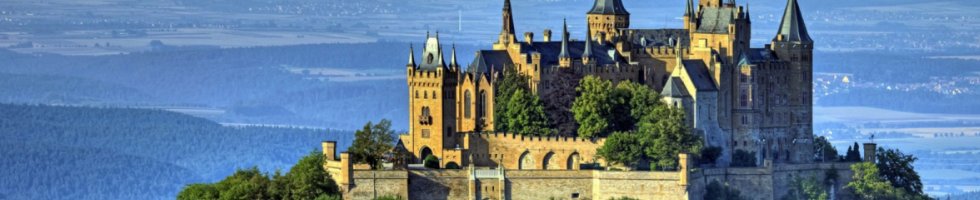
Websites are like castles: they are little fortresses of information that fight to keep intruders out while strengthening supporters. They all look alike but they all try to differentiate themselves in some ways.
That is why I chose the castle motif for this site. Also, I just happen to like castles. I think they excite the imagination. And that is what an Imagineriast is supposed to do.
So, with all that said, I present to you my small collection of Imagineria. I hope you find the experience enlightening.
–Signed
The Imagineriast
This page is Copyright © Imagineria @Brym.Net. All Rights Reserved. Some links to external Websites may have been provided herein. These links are not endorsements of any products or services in such sites, and no information in such sites has been endorsed or approved by Imagineria.Brym.Net. Copyrighted and/or trademarked items used on this page are integrated under “fair use” principles and remain the intellectual properties of their respective owners.
